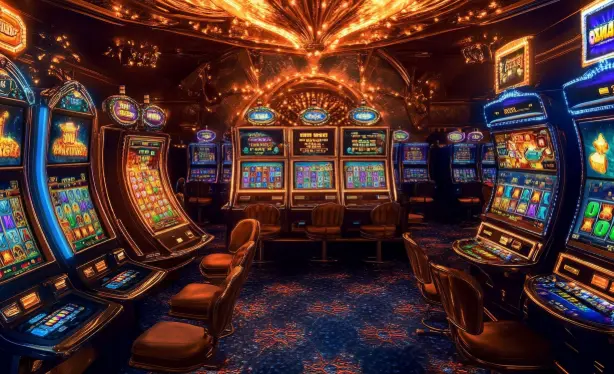
Casino Smart TV Gambling ─ Big Screen Guide: The Ultimate iGaming Integration
The convergence of iGaming and consumer electronics has birthed a revolutionary vertical: Casino Smart TV Gambling. This is not merely about casting a mobile screen; it is about native application optimization, remote-control wagering, and immersive 4K dealer interaction. For the high-stakes aficionado, the television is no longer a passive display but a fully operational terminal for live dealer roulette, blackjack, and crash games. 🎰

Technical Architecture: Why Smart TV OS Matters for Wagering
Understanding the backend is crucial for a seamless experience. Modern Smart TVs utilize Tizen, webOS, or Android TV frameworks. A high-performance Casino Smart TV Gambling platform leverages HTML5 and WebAssembly to render live streams with sub-100ms latency. Unlike mobile apps restricted by touch input, the TV environment utilizes spatial navigation APIs, allowing for rapid bet sizing via directional pads. This reduces input lag and enhances the psychological flow state required for optimal decision-making in live baccarat.
Optimizing Visual Ergonomics and Dealer Telepresence
The primary advantage of the big screen is the 1:1 scale of the dealer and the wheel. On a 65-inch OLED, the physics of the roulette ball are discernible without zoom. Professional operators now stream in 1080p60 at minimum, with HDR10 support ensuring that the felt texture and chip denominations are unambiguous. When engaging in Casino Smart TV Gambling, look for platforms offering multi-view ports—enabling you to monitor four tables simultaneously while maintaining a primary wagering focus. This is telepresence gambling at its finest. ♠️

Security Protocols and Geo-Compliance on Large Format Devices
Security on a shared living room device presents unique challenges. Reputable operators implement session tokens tied to the TV's MAC address and require periodic PIN re-entry for cashier functions. Furthermore, geo-fencing via IP and GPS triangulation is mandatory. The encryption standards (TLS 1.3, AES-256) are identical to desktop, but user behavior differs—longer sessions, higher average bet sizes due to the "cinematic" feel, and increased use of auto-spin features. Always verify the operator holds a valid MGA or UKGC license displayed in the TV app footer.
Top Game Verticals Suited for Television Interfaces
Not all games translate well to a 10-foot viewing distance. The optimal genres include:
Live Dealer Roulette: The wheel geometry and betting grid are perfectly legible. Live Blackjack: Card values are enhanced by high-definition facial recognition of the dealer. Crash Games: The multiplier curve is viscerally thrilling on a large canvas. Virtual Sports: The rendering of horse racing or football is significantly more immersive. Avoid fast-paced slot machines with tiny paylines; the cognitive load of scanning small symbols from a couch is detrimental to RTP optimization. 🎲
Latency Mitigation and Network Configuration
To prevent the dreaded "spin lag" during a live dealer hand, wired Ethernet connectivity is non-negotiable. Wi-Fi 6E is acceptable only if the router is in the same room. For the serious enthusiast, allocate a dedicated VLAN for the Smart TV to prioritize UDP packets for video streaming and TCP for wagering commands. A jitter buffer below 20ms is the gold standard for a professional-grade Casino Smart TV Gambling setup. This ensures that your "hit" or "stand" command registers before the dealer's hand motion completes.
The Future: AI Croupiers and Voice-Activated Betting
The next evolution involves generative AI croupiers that respond to natural language. Imagine saying "Split those eights" and the TV executes the command instantly. Prototypes already exist using far-field microphone arrays. This removes the friction of remote-control navigation entirely. The big screen is becoming a sentient pit boss, managing your bankroll with precision.